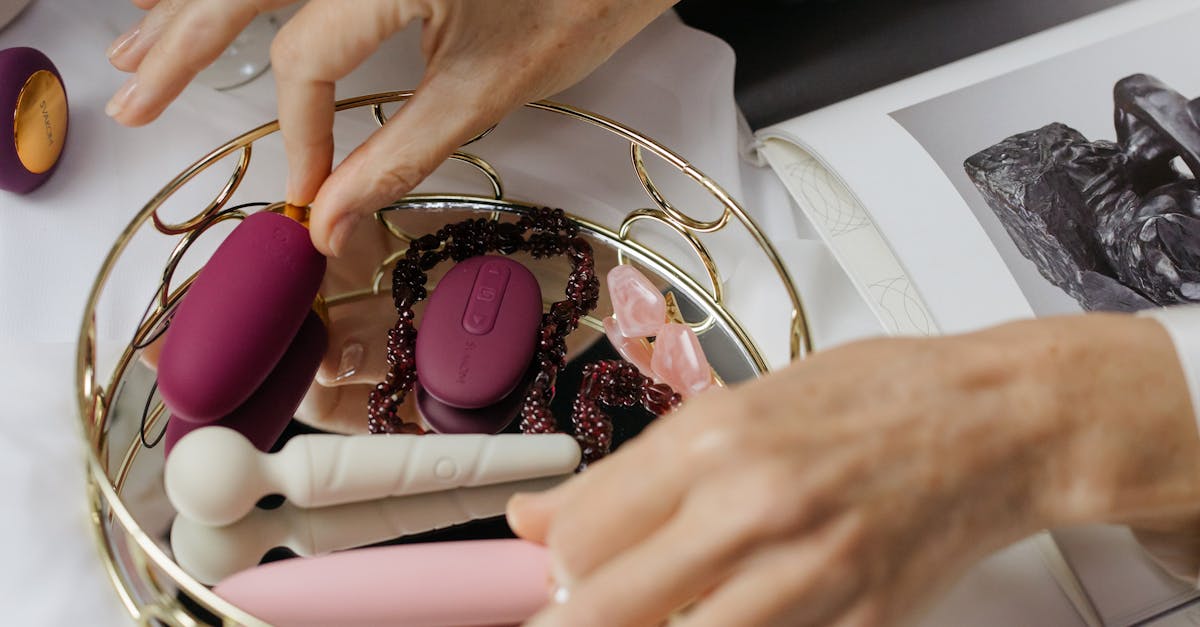
Review of Couples' Toys That Promote Emotional Connectiveness
Safety and Hygiene Considerations
Ensuring safety and hygiene is paramount when exploring couples' toys. Many products are designed with body-safe materials, reducing the risk of irritation or allergic reactions. It is advisable to choose items made from silicone, stainless steel, or glass, as these materials are less likely to harbour bacteria and can be easily cleaned. Avoid toys that contain phthalates or other harmful chemicals, as these can pose health risks. Always check for certifications or labels indicating the product's safety for skin contact.
Cleaning practices should be a part of the routine for any couple incorporating toys into their experiences. Most toys can be washed with warm water and mild soap, while others may require specific cleaning solutions to maintain their integrity. Always ensure that the toys are thoroughly dried before storing them, as moisture can encourage bacterial growth. Additionally, sharing toys can require extra precautions. Using barriers such as condoms can help maintain hygiene and prevent the transfer of fluids, making the experience safer for everyone involved.
Materials and Cleaning Practices
When choosing couples' toys, the materials used can significantly impact safety and enjoyment. Silicone, glass, and stainless steel are popular choices due to their body-safe properties. Silicone offers a soft feel and is non-porous, making it easy to clean. Glass and stainless steel provide durability and can be used for temperature play, enhancing the experience for couples. It’s crucial to avoid products containing phthalates or other harmful chemicals often found in lower-quality toys.
Proper cleaning practices ensure that toys remain safe for use over time. Most silicone and glass toys can be washed with warm water and mild soap or specific toy cleaners. It's essential to follow the manufacturer’s guidelines for care. For those using toys with motors, a damp cloth is usually sufficient to wipe down the exterior. Regular maintenance, including checking for any signs of wear or damage, will prolong the life of the toys and maintain a safe playing environment.
Personal Stories
Many couples find that incorporating toys into their relationship has opened doors to deeper emotional connections. One couple shared how a simple vibrating ring allowed them to explore sensations together, igniting conversations about their preferences and desires. This newfound intimacy helped them develop a better understanding of each other's needs, leading to stronger communication both in and out of the bedroom.
Another couple noted that using a shared pleasure toy brought them closer together after a challenging period in their relationship. They described the experience as a joyful journey of rediscovery, enabling them to reconnect and celebrate their bond. These personal stories highlight how couples have not only enhanced their physical experiences but also nurtured emotional closeness through playful exploration and shared vulnerability.
How Toys Changed Our Relationship
Exploring the world of couples' toys can transform intimacy into a deeper connection. Many couples report that trying new toys has encouraged open dialogue about desires and boundaries. This newfound communication often extends beyond the bedroom, enhancing overall relationship satisfaction. Partners discover the joy of shared experiences and an increased understanding of each other's preferences.
Emotional bonds tend to strengthen when couples incorporate toys into their routines. For some, it becomes a platform for expressing affection and vulnerability, which can be difficult to navigate otherwise. As they learn to trust each other in this new space, partners find that they are more willing to experiment with other facets of their relationship, leading to a more fulfilling and enriched partnership.
Recommendations for Beginners
Exploring the world of couples' toys can be an exciting journey, especially for those new to the experience. Starting with simpler designs often proves beneficial. Options such as feathers, blindfolds, or basic vibrating toys can introduce a sense of playfulness without overwhelming either partner. These choices encourage communication and a shared exploration of desires, allowing couples to understand each other’s preferences gradually.
Opting for products marketed specifically for beginners may further enhance the experience. Many brands offer kits designed for couples who are just stepping into the realm of intimacy-enhancing items. These starter kits typically include a variety of items, providing an opportunity to sample different aspects of physical connection. By prioritising comfort and mutual enjoyment, couples can build a solid foundation for deeper exploration in the future.
Starting Simple
For couples venturing into the world of intimate toys, simplicity can enhance the experience. Basic options such as vibrators or couples’ rings can provide a gentle introduction. They are often user-friendly and designed to encourage interaction while maintaining comfort. These toys allow partners to explore together without overwhelming either person.
When choosing beginner toys, consider your comfort levels and preferences. Silicone materials are popular for their softness and body-safe qualities. Additionally, various shapes and sizes cater to different tastes. Starting with a modest selection ensures that partners can communicate openly about their desires and boundaries. This approach fosters deeper engagement and intimacy, vital for building emotional connectiveness in any relationship.
FAQS
What types of couples' toys are best for promoting emotional connectiveness?
Toys that encourage communication and intimacy, such as couples' vibrators, massagers, or interactive games, are excellent for promoting emotional connectiveness.
How can I ensure the safety and hygiene of couples' toys?
Always use toys made from body-safe materials, and clean them thoroughly before and after use with suitable cleaners, following the manufacturer's instructions for maintenance.
Are there any specific couples' toys recommended for beginners?
Yes, for beginners, simple toys like soft massagers, beginner-friendly vibrators, or interactive card games can help couples ease into using toys together.
How have couples' toys positively impacted relationships?
Many couples report that using toys has enhanced their communication, increased intimacy, and helped them explore their desires together, leading to a deeper emotional bond.
What cleaning practices should I follow for my couples' toys?
Clean toys with warm water and mild soap or a designated toy cleaner before and after use. Ensure they are completely dry before storing them in a clean, dry place.
Related Links
Historical Overview of Intimacy and the Introduction of Sex ToysWhy You Shouldn't Overlook the Role of Sex Toys in Relationship Satisfaction
Roundup of Expert Tips on Using Toys to Increase Intimacy
7 Creative Ways Couples Can Use Sex Toys to Enhance Intimacy
What to Consider When Selecting Toys for Strengthening Emotional Bonds